Select Seasonal Ingredients
Choose produce at its peak to maximize natural sweetness and texture.
At Taste Studio, cooking is about clarity and taste. We believe that the best meals come from understanding a few core techniques and using ingredients at their peak. Our philosophy strips away unnecessary complexity, allowing the natural flavors of seasonal produce to shine. Whether you are sautéing greens or roasting root vegetables, the focus stays on method and ingredient quality. This approach builds a foundation of skills that adapt to any recipe. We explore how simple processes—proper knife work, heat control, and seasoning—transform everyday cooking into a confident, enjoyable practice. Every dish is a chance to learn something new without pressure or perfectionism.
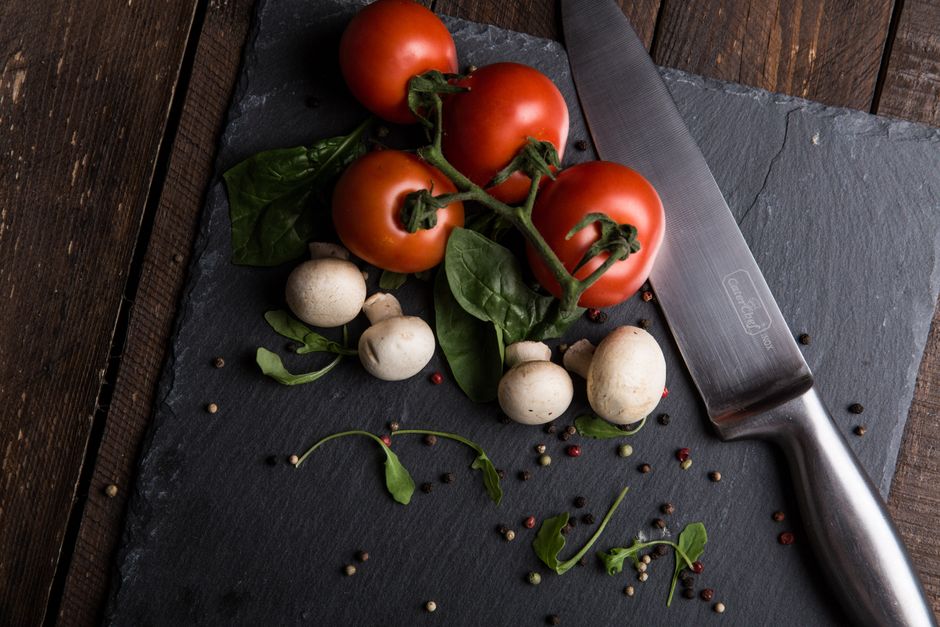
Choose produce at its peak to maximize natural sweetness and texture.
Learn fundamental cuts, heat control, and cooking methods like roasting or steaming.
Minimize steps and components to let each element’s flavor stand out.
Use salt, acid, and heat to complement rather than cover the ingredient profile.
Taste Studio’s philosophy places technique before recipe. Understanding how to properly chop an onion, sear a piece of fish, or blanch greens creates a reusable skill set. These methods are taught as adaptable frameworks—not rigid rules—so you can apply them across different cuisines and ingredients. We focus on the reasoning behind each step: why high heat is used for browning, or why salt needs time to penetrate. This knowledge turns cooking into a thoughtful process where you can adjust based on what is available. Fresh, seasonal ingredients respond predictably to these techniques, making it easier to build confidence without relying on complex instructions.
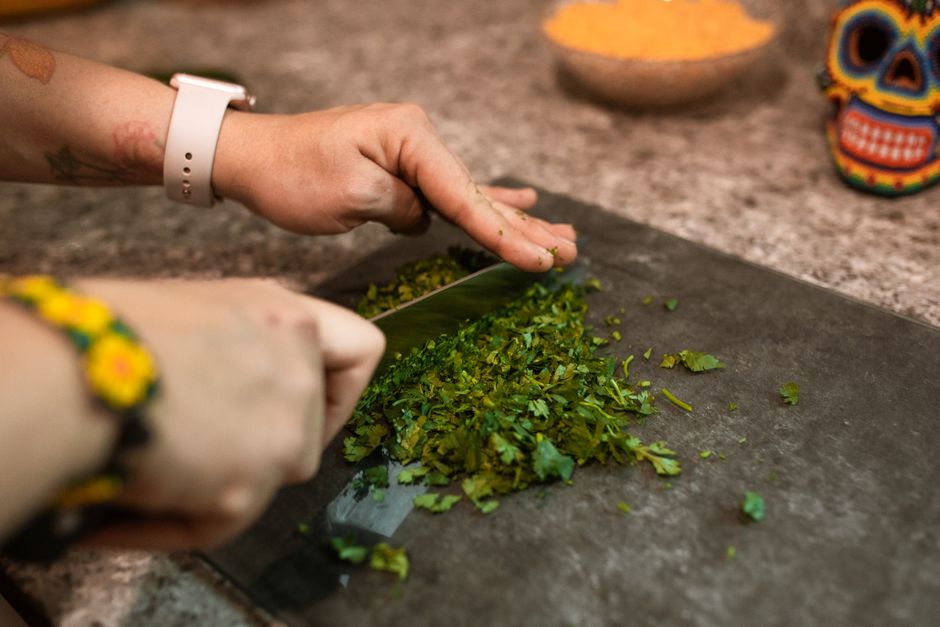
When you adopt a philosophy centered on simplicity and flavor, the kitchen becomes a space for exploration rather than stress. Start by observing what vegetables, fruits, or herbs are in season at your local market. Let those items guide your meal plan instead of a list of exotic ingredients. Then choose a fundamental technique—roasting, steaming, or sautéing—that suits the ingredient’s texture. Pay attention to how heat transforms the food: the browning of cauliflower, the softening of kale, the release of aromas from garlic. Season simply with salt and a squeeze of lemon, then taste. This iterative process develops your intuition over time. You learn to trust your senses—sight, smell, touch—and adjust accordingly. There is no single correct outcome; each dish reflects the choices you made. Taste Studio encourages this mindful approach, where every meal is a chance to refine your skills and enjoy the natural results of careful technique.
Each week, you'll receive a curated selection of recipes, step-by-step techniques, and practical advice on choosing ingredients. This newsletter is designed for home cooks who want to build confidence in the kitchen.