Delicious Vegetarian Stir-Fry with Seasonal Vegetables
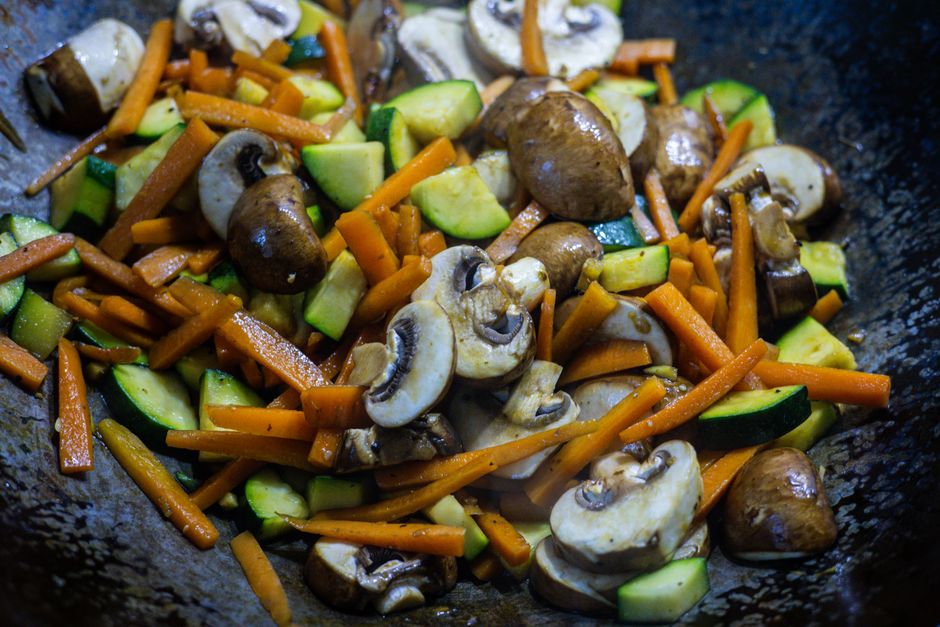
A stir-fry is a practical and adaptable dish that can transform a selection of fresh vegetables into a quick, satisfying meal. The technique originates from wok-based cooking and relies on high heat and rapid movement to preserve texture and color while developing flavor. When seasonal vegetables are used, the dish not only benefits from peak freshness and nutritional value but also supports local food systems and reduces environmental impact. This article explores the process of preparing a vegetarian stir-fry using seasonal produce, with a focus on ingredient selection, sauce building, and cooking methods that yield a balanced, colorful result in under twenty minutes.
The appeal of a stir-fry lies in its efficiency and flexibility. Unlike slow-cooked dishes, stir-frying requires active attention and quick decision-making, making it an engaging cooking experience. The process encourages cooks to rely on visual and aromatic cues rather than precise timing. By understanding the roles of different components—vegetables, sauce, aromatics, and heat—anyone can create a stir-fry that suits their taste and the ingredients available. The following sections outline a step-by-step approach that prioritizes transparency and adaptability over rigid instructions.
Why Seasonal Vegetables Matter in Stir-Fry
Choosing vegetables that are naturally at their peak in a given region and time of year can influence the outcome of a stir-fry in several ways. Seasonal produce tends to have higher water content and a more pronounced flavor compared to out-of-season alternatives, which may have been stored for long periods or shipped from distant locations. For stir-frying, this means that the vegetables are less likely to become limp or watery during cooking, provided the heat is sufficient. Seasonal vegetables also vary in color, texture, and cooking time, which allows for a more dynamic final dish.
From a nutritional perspective, seasonal vegetables are often harvested closer to full ripeness, which can result in higher levels of certain vitamins and antioxidants. The practical benefit for the cook is that many seasonal vegetables require minimal preparation—simply washing, cutting, and perhaps peeling. Common examples include asparagus in spring, zucchini and bell peppers in summer, root vegetables like carrots and broccoli in fall, and hardy greens such as kale or cabbage in winter. Each brings a distinct contribution to the stir-fry, and the combination can be adjusted based on what is available.
Building a Savory Sauce Base
The sauce in a stir-fry serves as a unifying element that coats the vegetables and adds depth without overpowering their natural flavors. A balanced sauce typically includes a liquid component, a source of saltiness, a sweetener, a sour or acidic element, and often a thickening agent. Common choices for a vegetarian stir-fry sauce include soy sauce or tamari for saltiness, maple syrup or agave for sweetness, rice vinegar or lime juice for acidity, and a small amount of cornstarch or arrowroot powder mixed with water to create a glaze.
The proportions of these ingredients can be adjusted according to personal preference and the type of vegetables used. For instance, broccoli and carrots pair well with a slightly sweeter sauce, while mushrooms and greens benefit from a more savory, umami-rich blend. Some recipes also incorporate grated ginger, minced garlic, or chili flakes directly into the sauce for added aroma. It is advisable to prepare the sauce in a small bowl before cooking begins, as this allows for quick addition at the right moment without interrupting the stir-fry process. The sauce should be stirred just before adding, as the starch may settle over time.
Selecting and Preparing the Vegetables
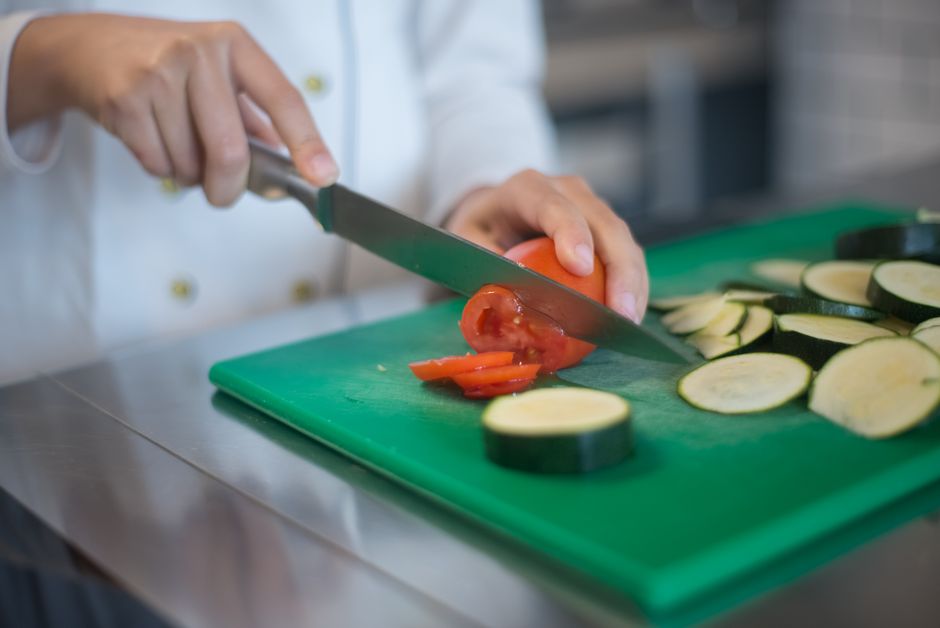
After choosing seasonal vegetables, the next step is cutting them into uniform pieces to ensure even cooking. For a stir-fry, pieces should be small enough to cook quickly but large enough to retain some bite. A general guideline is to cut firmer vegetables like carrots or broccoli into thin slices or small florets, while softer vegetables such as bell peppers or zucchini can be cut into strips or half-moons. Leafy greens like spinach or Swiss chard should be roughly chopped, and stems can be separated and added earlier if they require more cooking time.
It is helpful to group vegetables by cooking time so that they can be added to the pan in the correct order. For example, hard vegetables like carrots and cauliflower might go first, followed by medium-firm options like broccoli and mushrooms, and finally tender items like bell peppers, snap peas, and greens. Some cooks also blanch or par-cook certain vegetables beforehand, but this is not necessary when using a well-heated pan and proper technique. Keeping the vegetables dry before adding them to the pan prevents excessive steaming and promotes browning.
The Stir-Fry Cooking Process
Stir-frying relies on high heat and constant motion. A wok or a large, heavy-bottomed skillet works best, as it retains heat and distributes it evenly. The pan should be preheated until a drop of water sizzles and evaporates immediately. A small amount of oil with a high smoke point, such as avocado or peanut oil, is then added and swirled to coat the surface. Once the oil shimmers, aromatics like garlic, ginger, or scallions can be added for a few seconds before the first batch of vegetables goes in.
The vegetables are added according to their cooking times, with continuous stirring or tossing to prevent burning. After the harder vegetables have softened slightly, the remaining types are added. The sauce is poured in when all vegetables are nearly cooked, and the pan is stirred quickly to coat everything evenly. The heat may be reduced slightly as the sauce thickens, and any final ingredients such as sesame seeds or fresh herbs can be sprinkled on top. The total cooking time typically ranges from eight to twelve minutes, depending on the vegetables and the size of the batch.
It is important to avoid overcrowding the pan, as this drops the temperature and leads to steaming rather than browning. If necessary, cooking in two batches and combining them afterward can yield better results. Once the sauce has glossed the vegetables and the liquid has reduced slightly, the stir-fry is ready to be removed from the heat. Serving immediately ensures the vegetables stay crisp and vibrant.
Serving Ideas and Further Customization
A vegetarian stir-fry is often served over rice, noodles, or quinoa to create a complete meal. The choice of base can affect the overall texture and flavor, with steamed jasmine rice offering a neutral backdrop and soba noodles adding a nutty note. For a lower-carb option, cauliflower rice or a bed of raw greens can be used instead. The stir-fry can also be garnished with toppings such as toasted sesame seeds, sliced green onions, or crushed peanuts for added crunch and visual appeal.
Customization does not have to stop with the vegetables. The sauce can be varied by incorporating different spices, such as curry powder or five-spice, or by including a small amount of nut butter for creaminess. Tofu, tempeh, or edamame can be added for extra protein, and mushrooms can provide a meaty texture. The key is to maintain the balance between the vegetables, sauce, and any additional ingredients. Because stir-fry is a flexible cooking method, it can accommodate a wide range of dietary preferences and ingredient availability. The process itself remains the same: high heat, quick cooking, and thoughtful sequencing of ingredients.