Quick and Easy 15-Minute Pasta Aglio e Olio
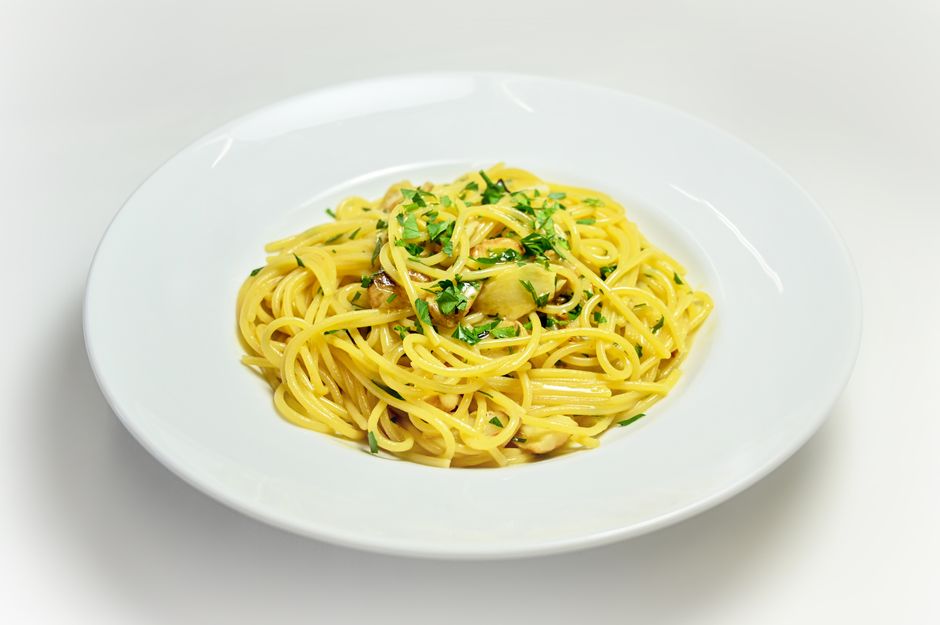
Pasta Aglio e Olio is a classic Italian dish that relies on a few basic ingredients to create a deeply satisfying meal. Translating to “pasta with garlic and oil,” this recipe has long been a staple in many households due to its straightforward preparation and minimal component list. The process itself is built around the gentle infusion of olive oil with sliced garlic and dried chili flakes, which forms the foundation of the sauce. When paired with al dente pasta, the result is a dish that balances richness, heat, and savory notes without overwhelming the palate.
For those seeking a dinner option that does not require extensive planning or elaborate techniques, this recipe offers a practical solution. The total time from start to finish can be kept under fifteen minutes, provided the ingredients are gathered beforehand. This makes it particularly suitable for weeknights when time and energy may be limited. The following sections outline the key aspects of preparing this dish, with an emphasis on methodology and ingredient behavior rather than guaranteed outcomes.
Understanding the Core Ingredients
The success of Pasta Aglio e Olio depends largely on the quality and handling of its primary components. Olive oil serves as the cooking medium and primary flavor carrier. A extra-virgin variety with a fruity or peppery profile can contribute additional depth, though any olive oil suitable for gentle heating may be used. Garlic is typically sliced thinly rather than minced, as this allows for even toasting and a milder, nuttier taste. Dried chili flakes provide heat that can be adjusted according to personal preference. The pasta itself should be a long, thin shape such as spaghetti or linguine, which allows the oil-based sauce to coat each strand evenly.
Another important ingredient is the pasta cooking water. A small amount of starchy, salted water is often reserved and added to the oil mixture to help emulsify the sauce and create a light coating that clings to the pasta. The salt content in the water also seasons the dish from within, reducing the need for additional salt later. Fresh parsley is frequently used as a garnish, adding a hint of color and a fresh contrast to the richness of the oil. While these ingredients are traditional, substitutions such as using other dried herbs or finishing with a squeeze of lemon may be explored depending on availability or taste preferences.
Step-by-Step Preparation Method
The process begins by bringing a large pot of water to a rolling boil. Adding salt at this stage is important, as it seasons the pasta itself. Once the water is ready, the pasta is added and cooked according to the package instructions, but with attention to achieving an al dente texture. During the last minute of cooking, a cup of the starchy water should be reserved before draining.
While the pasta cooks, a separate skillet is heated over medium-low heat. Olive oil is added, followed by the sliced garlic. The garlic should be stirred frequently and allowed to turn a pale golden color, which typically takes two to three minutes. If the garlic browns too quickly, the heat may be reduced to prevent bitterness. Once the garlic is fragrant and lightly toasted, the dried chili flakes are added and stirred for about thirty seconds to release their heat without burning.
When the pasta is drained, it is transferred directly into the skillet with the garlic oil. The reserved pasta water is added gradually while tossing the pasta vigorously. This motion helps the oil and water combine into a cohesive sauce that coats the pasta. The amount of water needed can vary based on the pasta type and personal preference for sauce consistency. Once the desired texture is achieved, the heat may be turned off, and fresh parsley can be folded in.
Adjusting Flavor and Texture
Flavor adjustments can be made at several points during preparation. The level of spiciness, for example, can be controlled by the quantity of chili flakes or by using a milder variety. Some cooks prefer to infuse the oil with a whole dried chili and remove it before serving, which provides a more subtle heat. The garlic’s intensity also varies with cooking time; longer, slower heating results in a sweeter, mellower garlic flavor, while shorter cooking leaves a sharper bite.
Texture can be influenced by the pasta cooking time and the amount of reserved water. A shorter cooking time yields firmer pasta, which some may prefer for its bite. Adding more starchy water creates a looser sauce, while less water results in a thicker coating. The dish is typically served immediately, as the sauce can become clumpy if allowed to cool. For those who wish to add protein or vegetables, ingredients such as sautéed shrimp, roasted broccoli, or cherry tomatoes may be incorporated after the garlic oil step, though this extends the preparation time.
Common Variations and Serving Suggestions
While the traditional recipe is intentionally simple, many variations exist that build upon the base method. One common addition is a sprinkle of grated Parmesan or Pecorino Romano cheese at the end, which adds saltiness and umami. Another approach is to include breadcrumbs toasted in olive oil, which provides a crunchy contrast. For a brighter flavor, a splash of lemon juice or a sprinkle of lemon zest can be added after tossing the pasta.
Serving suggestions often include pairing this dish with a simple green salad or roasted vegetables to create a balanced meal. The neutral character of the pasta allows it to complement a wide range of side dishes without competing. Leftovers may be stored in an airtight container in the refrigerator and reheated gently with a splash of water or olive oil, though the texture tends to be less cohesive than when freshly prepared.
Tips for Consistent Results
Several practical considerations can help achieve reliable outcomes when preparing this dish. Using a skillet wide enough to accommodate the pasta allows for easier tossing and even coating. Keeping the garlic slices uniform in thickness promotes consistent cooking. Having all ingredients measured and within reach before starting can prevent the garlic from overcooking while searching for the chili flakes or pasta water.
Temperature control is another factor. The oil should never reach the smoking point, as this can degrade the flavor and create undesirable compounds. If the skillet becomes too hot, removing it from the heat temporarily can help regulate the cooking. Finally, tasting the sauce before adding the pasta can help identify any needed adjustments, such as a pinch more salt or an extra drizzle of oil. By paying attention to these details, the preparation can proceed smoothly with minimal stress.