Essential Knife Skills Every Home Cook Should Master
Developing a solid foundation in knife skills can transform the cooking experience for any home cook. Precise and consistent cuts not only affect the visual appeal of a dish but also influence cooking times and texture. By understanding a few key techniques, one can approach food preparation with greater confidence and efficiency.
This guide focuses on the fundamental aspects of knife handling, from grip to specific cuts. The emphasis is on building muscle memory through deliberate practice and understanding the principles behind each movement. While speed often comes with repetition, the primary goal is safety and consistency.
Whether preparing vegetables for a stir‑fry or herbs for a garnish, a systematic approach to knife work helps reduce effort and waste. The following sections outline the core techniques and exercises that form the basis of proficient knife use in a home kitchen.
Understanding the Foundations: Grip and Guiding Hand
Before making any cut, it is important to establish a secure and comfortable grip on the knife. The most common method among professional cooks is the pinch grip, where the thumb and index finger grip the blade just above the handle while the remaining fingers wrap around the handle. This grip provides greater control and leverage compared to holding the handle alone.
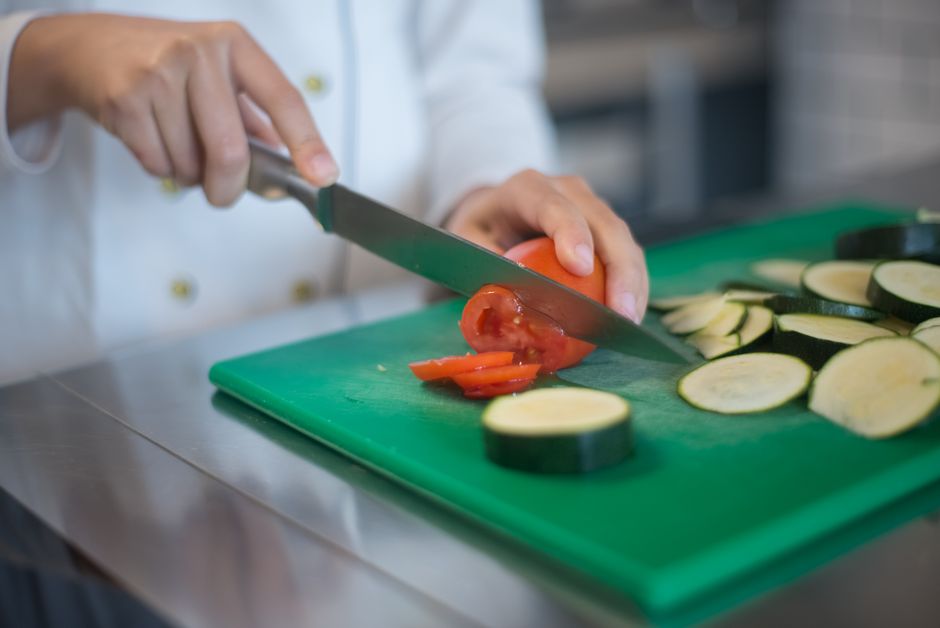
The guiding hand, which holds the food, is equally critical. Using a claw grip—curling the fingertips inward and pressing the knuckles against the blade—helps protect the fingers while guiding the knife. The side of the blade rests against the knuckles, allowing the cook to slide the knife along the food in a controlled manner.
Practicing these two grips until they feel natural is a prerequisite for more advanced cuts. It is advisable to start with a soft vegetable such as a zucchini or cucumber, focusing on maintaining the claw shape and moving the knife in a smooth, rocking motion. This eliminates the risk of cutting fingertips and builds confidence.
Essential Knife Cuts for Everyday Cooking
Several standard cuts appear frequently in recipes, and learning them enables a home cook to follow instructions more accurately. The dice is one of the most versatile cuts, with sizes ranging from small (brunoise) to medium and large. To produce a medium dice, the food is first cut into planks, then strips, and finally crosscut into cubes. Consistent size ensures even cooking, though perfection is not expected on the first attempt.
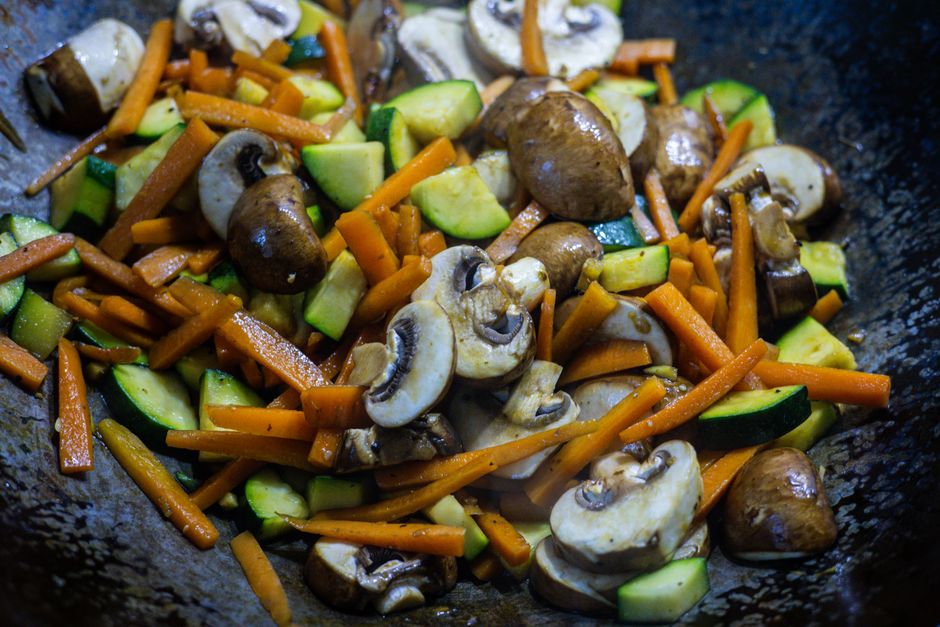
The julienne cut, often used for vegetables in salads or stir‑fries, creates thin matchstick‑shaped pieces. After squaring off the vegetable, it is sliced into thin planks, then into narrow strips. Maintaining a steady hand and using the guiding knuckles as a reference point helps keep the strips uniform. For leafy greens or herbs, the chiffonade technique is commonly used. Leaves are stacked, rolled tightly, and sliced crosswise into fine ribbons. This method works well for basil, mint, or spinach, and reduces bruising of delicate leaves.
Each cut serves a different purpose in cooking, and practicing them with various ingredients allows a cook to adapt to different textures and densities. It is not necessary to achieve restaurant‑quality cuts immediately; gradual improvement is more realistic.
Practicing Consistent Cuts: Exercises and Techniques
Repetition is the most effective way to improve knife skills. A simple exercise involves cutting a whole carrot into rounds of equal thickness, then progressing to julienne and dice. Using a timer can help track improvement over time, but the focus should remain on accuracy rather than speed. A common approach is to dedicate five to ten minutes at the start of each cooking session to practice a single cut.
Another useful exercise is the “onion preparation,” which involves halving, peeling, and dicing an onion without losing too many layers. The process includes making horizontal and vertical cuts while keeping the root end intact to hold the onion together. This exercise reinforces the claw grip and the controlled movement of the knife.
Using soft, uniform vegetables like potatoes or cucumbers is recommended for beginners, as they offer consistent resistance and minimal waste. As confidence grows, firmer ingredients like sweet potatoes or butternut squash can be introduced. Documenting the size of the cuts with a ruler occasionally helps calibrate the eye and hand.
Knife Selection and Maintenance
While skill development is independent of having the most expensive tools, a decent chef’s knife makes practice more effective. A knife with a blade length of 8 to 10 inches is versatile for most tasks. A paring knife is also helpful for smaller, more intricate work, such as trimming or peeling. The choice of blade material (stainless steel or carbon steel) is largely a matter of personal preference and maintenance commitment.
Keeping the knife sharp is essential for both safety and performance. A dull blade requires more force, increasing the risk of slipping. Honing with a steel before each use realigns the edge, while occasional sharpening with a whetstone or an electric sharpener restores the edge when it becomes dull. A simple test is to slice through a ripe tomato; a sharp knife will cut cleanly with little pressure.
Storing knives properly—in a knife block, magnetic strip, or with blade guards—prevents damage and accidents. Taste Studio recommends that knives be washed by hand and dried immediately rather than placed in a dishwasher, to preserve the edge and handle material.
Creating a Safe and Efficient Workspace
The layout of the cutting area significantly influences comfort and safety. A stable cutting board is the first requirement; placing a damp paper towel or a non‑slip mat underneath prevents movement. The board should be large enough to hold the ingredients without crowding, and it can be helpful to place a bowl for scraps within easy reach.
Good lighting and a clear work surface reduce the chance of mistakes. Keeping the knife positioned within easy reach, but not too close to the edge of the counter, minimizes reach and helps maintain focus. Developing a habit of cleaning the board and knife between tasks prevents cross‑contamination and keeps the workspace organized.
Finally, maintaining proper posture while cutting reduces fatigue. Standing with feet shoulder‑width apart, keeping the shoulders relaxed, and positioning the cutting board at waist height allows for free movement of the arms. Over time, these environmental factors contribute to a more sustainable and enjoyable cooking experience.