How to Choose and Store Fresh Herbs for Maximum Flavor
Fresh herbs can transform a simple dish into something memorable. Their aromatic leaves and stems bring brightness, depth, and complexity to a wide range of cuisines. However, the journey from market to meal is not always straightforward. Without careful selection and proper storage, even the most vibrant bunch of basil or cilantro can quickly turn limp and lose its essential oils. Understanding how to choose herbs at their peak and how to store them correctly can help maintain their flavor and texture for several days longer than usual.
Many home cooks encounter common frustrations when handling fresh herbs. Leaves may develop dark spots, stems become slimy, or the entire bunch wilts within hours. These issues often stem from simple oversights during shopping or after returning home. By learning a few practical techniques and recognizing the signs of freshness, it becomes easier to keep herbs in good condition until they are needed. This article explores methods for selecting herbs at the market and storing them according to their type, while also highlighting mistakes that can accelerate spoilage.
The approach described here focuses on observation and gentle handling rather than strict rules. Because freshness depends on many variables, including the herb’s variety, harvest time, and storage conditions before purchase, no single method guarantees perfect results. However, applying these guidelines consistently can improve the chances of enjoying herbs at their best.
Selecting Fresh Herbs at the Market
When choosing fresh herbs, visual and tactile cues provide the most reliable information. Look for leaves that are firm, vibrant in color, and free from yellowing or browning. For leafy herbs such as parsley, cilantro, and basil, the leaves should appear crisp and not drooping. Gently touch the leaves to gauge turgidity; they should feel springy rather than limp or rubbery. Stems should be sturdy and moist at the cut ends, not dry or woody.
Smell is another useful indicator. Fresh herbs release a distinct, concentrated aroma when their leaves are bruised or rubbed. If the scent is weak or absent, the herb may have been stored too long or exposed to unfavorable conditions. Avoid bunches that show signs of excessive moisture in the packaging, such as condensation inside plastic bags, as this can hasten decay. Similarly, check for any slimy film on stems or leaves, which indicates bacterial growth. For potted herbs sold in supermarkets, inspect the soil for dryness or mold and ensure the plant looks healthy overall.
Seasonal availability also affects quality. Locally grown herbs that are in season often have a shorter time between harvest and sale, which can translate to better flavor and longevity. When possible, ask the vendor when the herbs were harvested or delivered. Farmers’ markets and specialty grocers frequently offer herbs that are fresher than those found in large chain stores, but even there, careful inspection remains important.
Storing Soft and Delicate Herbs
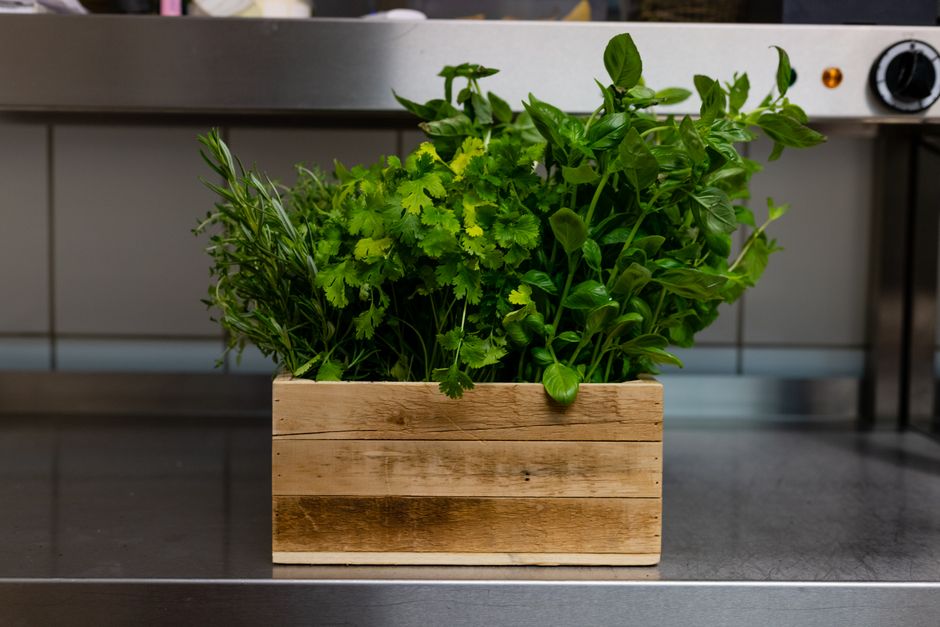
Soft herbs, such as basil, mint, cilantro, parsley (flat-leaf), and dill, have thin leaves and high moisture content. They are more prone to wilting and bruising than hardier varieties. A common storage method for these herbs is the “bouquet” technique. Trim about half an inch off the bottom of the stems and place the bunch in a jar or glass with about an inch of cool water, similar to a bouquet of flowers. Cover the leaves loosely with a plastic bag or a reusable produce bag, securing it around the jar to create a greenhouse effect. Store the jar in the refrigerator, except for basil, which is sensitive to cold temperatures. Basil should be kept on the counter away from direct sunlight, as refrigeration can cause its leaves to blacken.
Another approach involves wrapping the herbs in a slightly damp paper towel and placing them inside an airtight container or a resealable plastic bag. This method works well for herbs that will be used within a few days. The key is to maintain moisture without soaking the leaves, which can promote mold. For cilantro and parsley, some cooks prefer to place the stems in water and leave the bag off entirely, changing the water every couple of days. Regardless of the method, it is advisable to check the herbs daily and remove any wilted or discolored leaves to prevent them from affecting the rest of the bunch.
Freezing is an option for longer storage of soft herbs, though the texture will change and they are best used in cooked dishes. Chopped herbs can be placed in ice cube trays with a small amount of water or oil, then transferred to freezer bags once frozen. However, freezing does not preserve the crispness needed for garnishes or salads.
Storing Hardy and Woody Herbs
Hardy herbs, including rosemary, thyme, oregano, sage, and chives, have thicker leaves or woody stems that withstand cooler temperatures better. These herbs can be stored with less moisture. A simple method is to wrap them loosely in a dry paper towel and place them in a perforated plastic bag or a produce bag in the refrigerator. The paper towel absorbs excess humidity while allowing some airflow. Alternatively, for rosemary and thyme, the stems can be placed upright in a jar with just a little water at the bottom, similar to the bouquet method, but with the leaves kept dry. The water helps maintain stem hydration without wetting the leaves, which can lead to mold.
Chives, which have hollow stems, are best stored in a sealed container or bag with a slightly damp paper towel. They are more delicate than rosemary but still less prone to wilting than basil. Drying is another preservation option for hardy herbs. By hanging bunches upside down in a dark, well-ventilated area, the moisture evaporates slowly, and the herbs can be crumbled and stored in airtight jars for months. Dried herbs have a more concentrated flavor but are not a direct substitute for fresh in recipes where texture or brightness matters.
It is worth noting that even hardy herbs can degrade if stored too long or under poor conditions. Regularly inspecting the herbs and removing any that show signs of spoilage helps protect the rest. Keeping them in the crisper drawer of the refrigerator, which maintains higher humidity, can also extend their usability.
Common Mistakes That Reduce Freshness
Several frequent errors can shorten the life of fresh herbs. One of the most common is washing herbs before storage. While it may seem logical to clean them immediately, excess moisture on leaves encourages bacterial growth and speeds decay. Instead, wash herbs just before use, gently patting them dry with a towel. Another mistake is storing herbs in a sealed plastic bag without any ventilation. Without airflow, moisture builds up inside, promoting slime and rot. If using plastic, keep the bag partially open or poke a few small holes to allow gas exchange.
Leaving herbs in the original supermarket packaging often leads to issues. Many store-bought herbs come in clamshell containers or plastic bags that trap ethylene gas, a natural ripening agent produced by many fruits and vegetables. Ethylene can accelerate yellowing and wilting in leafy herbs. Transferring herbs to a storage method that minimizes ethylene exposure, such as the bouquet or paper towel wrap, can make a noticeable difference. Additionally, placing herbs near ethylene-producing fruits like apples, bananas, or tomatoes in the refrigerator should be avoided.
Temperature fluctuations also affect herb quality. Storing herbs in the refrigerator door, where temperatures change each time the door opens, subjects them to inconsistent conditions. The crisper drawer provides a more stable environment. For herbs that require counter storage, such as basil, keeping them away from heat sources and direct sunlight is essential. Finally, cutting too much of the stem when trimming can reduce the herb’s ability to take up water, so a fresh, clean cut is recommended each time the water is changed.
Extending the Life of Fresh Herbs Through Preparation
Some herbs benefit from a little extra care after purchase. For example, if a bunch of cilantro or parsley looks slightly wilted, trimming the stems and placing them in cold water can revive them within an hour. A similar technique works for basil, though it should not be refrigerated. For herbs that have become limp, submerging the entire bunch in a bowl of ice water for a few minutes can restore crispness, provided the leaves are not already damaged. This method is especially effective for delicate greens like mint and chervil.
Another approach involves using a dampened unbleached paper towel instead of a plastic bag for storage. The paper towel provides a balanced level of moisture that keeps herbs hydrated without pooling water. Changing the paper towel every few days maintains cleanliness. For those who use herbs frequently, investing in a dedicated herb keeper or a container designed with a water reservoir and a lid that allows some airflow can simplify the process. Such tools mimic the bouquet method while protecting leaves from bruising.
Even with optimal storage, fresh herbs have a limited lifespan. Planning meals around the most perishable herbs first, such as basil and cilantro, and using hardier varieties later in the week can reduce waste. Leftover herbs can be incorporated into compound butters, pestos, or herb-infused oils, which preserve their flavor in a different form. These preparations can be refrigerated or frozen for later use, extending the enjoyment of the herbs beyond their fresh state.